
 Let’s Connect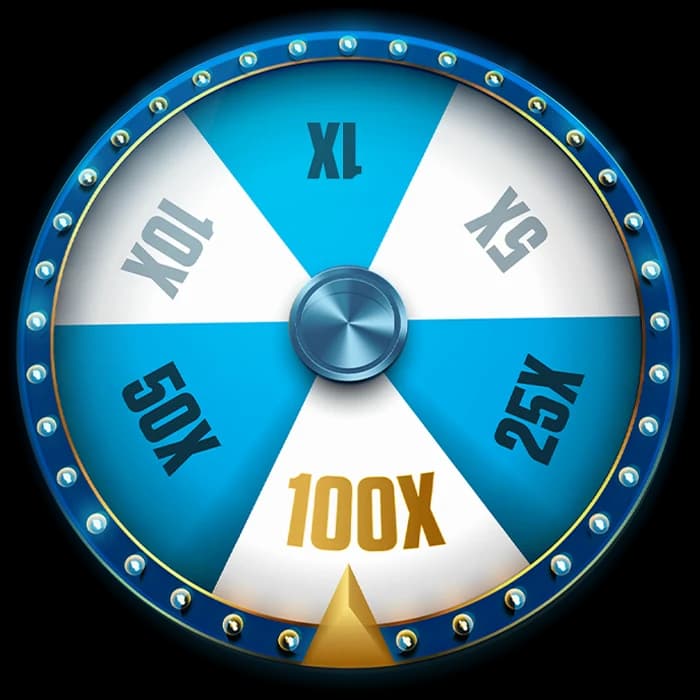
New Product · 0 to 1
Spin & Draft
Creating a new way to play daily fantasy sports.
I led a new proprietary fantasy game from concept through launch and post-launch optimization, combining the excitement of a randomized payout with a fast live draft users could play throughout the season.
At a Glance
- Challenge
- Low fill rate and high user abandonment
- Approach
- AI simulation and a faster join flow
- My Role
- Led concept, launch, and optimization
- Impact
- 85%+ fill and sub-five-minute waits
The opportunity
Drafting, built for everyday play.
Fantasy players love drafting, but the traditional season-long format concentrates that experience at the beginning of the season. I identified an opportunity to turn drafting into a fast, repeatable game users could play throughout the year.
I developed a proprietary game concept that combined two mechanics competitors offered separately: a randomized payout multiplier and a live snake draft. Players selected an entry fee, spun to reveal a payout multiplier, and completed a live draft in under five minutes. Once the sporting events were played, the highest-scoring roster won the contest.
- EnterChoose entry
- SpinSpin
- DraftLive draft
- WinTop score wins
Designing the model
Excitement for players. Predictability for the business.
The game needed to create excitement for players while delivering a predictable return for the business.
I designed a configurable payout model that assigned predetermined probabilities to each multiplier. Each contest configuration ran across a defined payout cycle, balancing frequently awarded lower multipliers with rare, high-value outcomes.
This gave us control over entry fees, multiplier probabilities, payout distribution, and target margin while ensuring the completed cycle produced the intended operator return.
A configurable margin model
Entry fees
Set the price point for each contest.
Multiplier odds
Shape the excitement of the payout.
Target margin
Ensure healthy economics at scale.
Launch & learn
The strongest concept met a real-world constraint.
I designed the original game around six-player contests because I believed that format would create the strongest live-draft experience. Players selected an available contest from the lobby, and the draft began once all six positions were filled.
I owned the product from concept through launch, including the game design, monetization model, requirements, testing, launch planning, reporting, and coordination across Engineering, Design, Marketing, Customer Support, and Operations.
The Lesson
The cross-functional team successfully brought the new proprietary format to market, but its initial performance exposed a critical liquidity constraint.
The pivot
Model the marketplace.Redesign for liquidity.
After launch, fewer than 20% of contests were filling and users sometimes waited more than an hour for the remaining positions, leading many to abandon their entries before the draft began.
The six-player format created a strong draft experience in theory, but it required more demand than our current scale could consistently support.
I built an AI-assisted liquidity and contest simulation model using the traffic and engagement patterns we were observing after launch. My simulations indicated that we needed to offer a more focused selection of contests based on expected traffic and reduce the contest size from six players to three.
I recommended and led the shift which preserved the core experience while significantly reducing the liquidity required to start each game.
Expanding the experience
More ways to play.
After improving the core on-demand experience, I led the introduction of two additional ways to play:
Scheduled contests
Players could join in advance and know that the draft would begin at a specific time.
Private contests
Players could create a contest, share it with friends, and compete within their own group.
These additions expanded Spin & Draft beyond public, on-demand matchmaking and gave users more control over when, how, and with whom they played.
The result
A game players could reliably enter, draft, and play.
<20%85%+
Contest fill rate
60+<5 min
Typical wait time
The changes I led increased contest fill rates from under 20% to over 85% and reduced typical wait times from more than 60 minutes to under five minutes.
The experience reinforced an important product lesson: the strongest concept in isolation is not always the strongest product under real marketplace conditions. Six-player contests offered greater draft depth, but three-player contests created a better real-world experience because users could reliably enter, draft, and play.